Feeling Tired This April? Science Says Spring Fatigue Is More Cultural Than Seasonal Syndrome
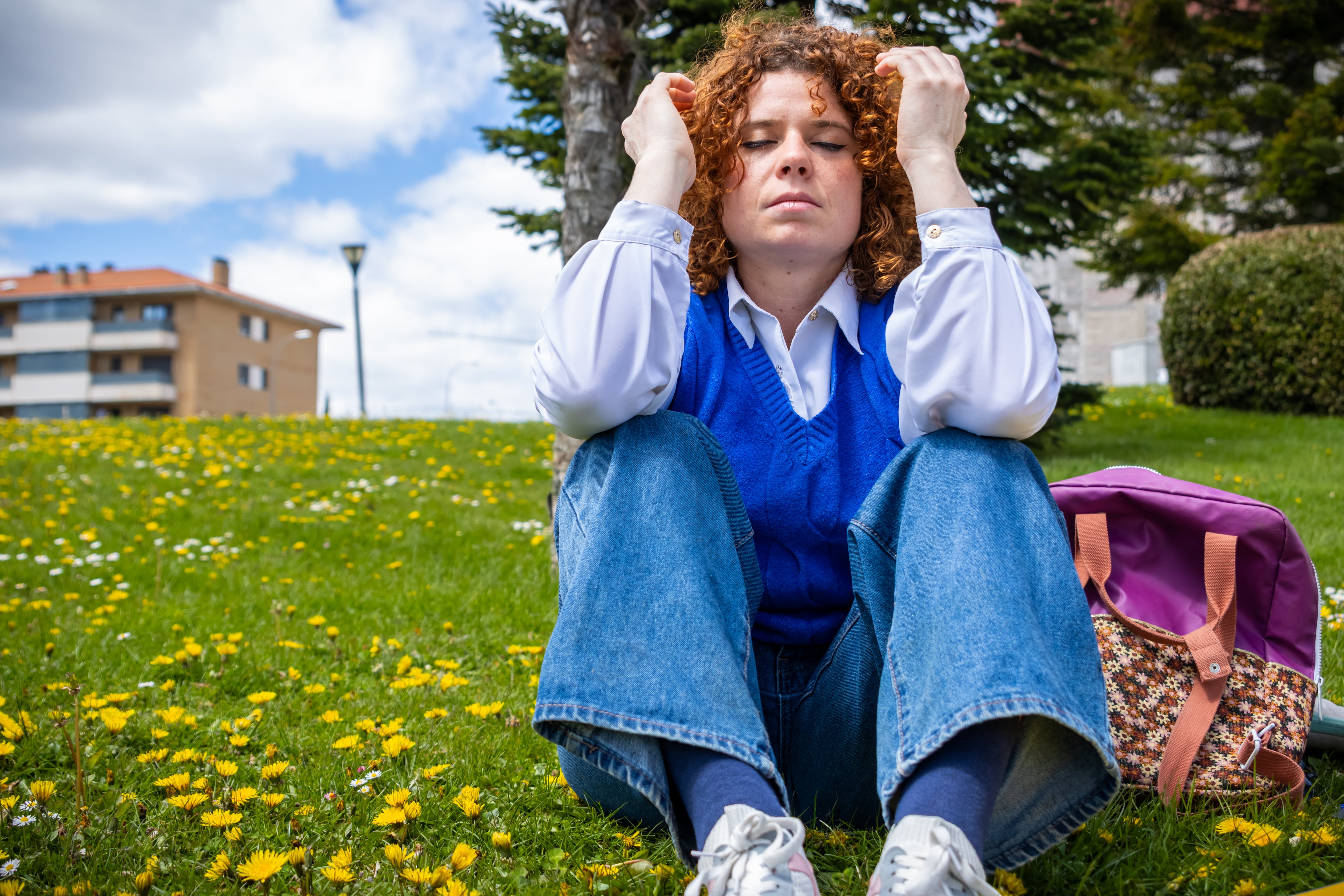
With the arrival of spring, many people in Europe report feeling increased fatigue, a lack of energy, and difficulty concentrating—a phenomenon known as spring asthenia. However, a recent study conducted by the Universities of Basel and Bern suggests that this sensation may be more of a cultural construct than an actual seasonal syndrome. After tracking 418 adults for a year, the researchers found no significant evidence that fatigue or drowsiness varies with the seasons.
It is noteworthy that 80% of the study participants were women, highlighting the need to consider how this cultural phenomenon particularly affects women. Women often take on multiple roles that can increase their perception of fatigue, especially in a society that expects them to balance family and work responsibilities. Researcher Christine Blume suggests that the perception of spring fatigue may be influenced by psychological and cultural factors rather than biological ones.
In the countries where the study was conducted—such as Germany, Switzerland, and Austria—the term “spring fatigue” is widely used. According to Blume, the popularity of the term may be shaping people’s perceptions, as reflected in Google searches that increase in January and peak in March. This trend suggests that the phenomenon is more a matter of perception than empirical reality, as no significant seasonal variations were found in reported levels of sleepiness.
Although it was hypothesized that the length of the photoperiod might be a determining factor, the results did not support this idea. Exposure to light had a minimal impact on reducing fatigue. For women, who often face stricter and less flexible schedules, the ability to enjoy natural light may influence their overall well-being more than the onset of spring fatigue.
This study invites us to reconsider how we understand seasonal fatigue and reminds us of the importance of looking beyond simplistic explanations. For women, in particular, recognizing cultural and psychological differences in the perception of fatigue can be a step toward better managing personal well-being. As new research continues to explore these phenomena, it is essential to question pre-established narratives and consider the individual complexities in our experience with the changing seasons.
📰 This is a summary. Read the full article at the source:
Read full article →Read in another language
she.news may earn commission from links on this page.