Waking Up Alone: Embracing a New Morning Routine
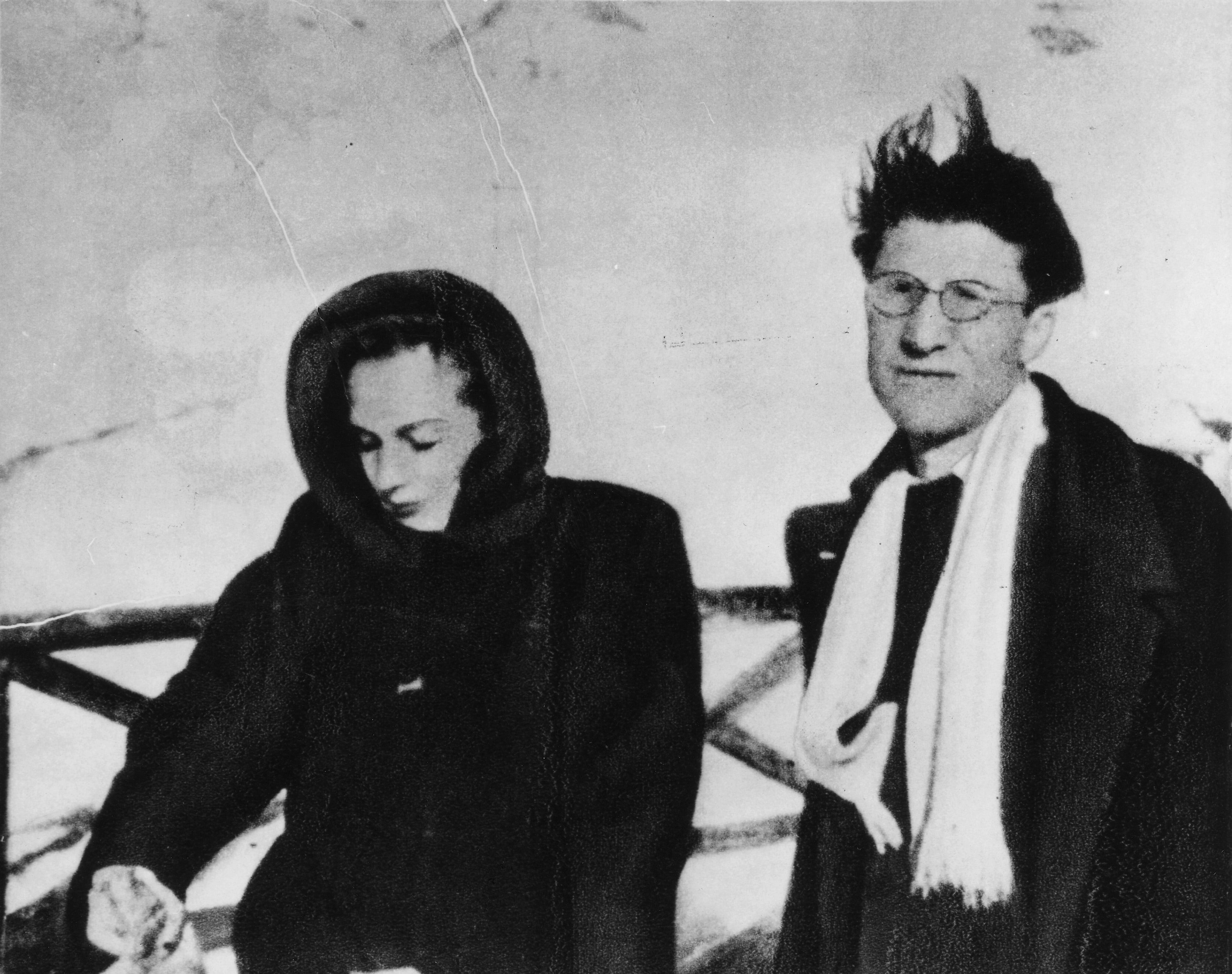
On August 26, 1950, the renowned Italian poet Cesare Pavese found himself in a moment of profound loneliness and despair in Turin. Despite his literary success, Pavese never experienced the full love of a woman, nor even the maternal love he had longed for since childhood. In his diary, he expressed the bitterness of his heartbreak and the lack of emotional connections that marked his life. A heartbreaking example of this feeling is his failed relationship with the American actress Constance Dowling, who rejected his marriage proposal, leaving him with a broken heart and a grieving soul.
In the hours leading up to his death, Pavese stayed at the Albergo Roma, located in the center of Turin. The image of the poet crossing Piazza Carlo Felice with his book *Dialogues with Leucó* in hand, carrying no other belongings, symbolizes his resignation to a life he felt was empty without the love of a woman by his side. On that hot summer afternoon, with the city silent and deserted, Pavese made calls that went unanswered—a final attempt to reach a connection that had always eluded him.
The writer Natalia Ginzburg, a close friend of Pavese’s and a colleague at the Einaudi publishing house, visited the room at the Albergo Roma where he took his own life. Ginzburg’s description reflects the immutability of the place, as if time had stood still since that tragic day. The walls of the room, silent witnesses to Pavese’s suffering, remained untouched, resonating with the unspoken emotions of a man who never felt the warmth of a love returned.
Pavese’s legacy is a reminder of the impact that a lack of love and emotional support can have, especially on women. In a world that often underestimates the importance of emotional connections, Pavese’s story invites us to reflect on the need to cultivate meaningful relationships and the crucial role women play in the social fabric. As we move toward a more mindful future, it is essential to recognize and value the impact of love and emotional support on everyone’s lives, remembering that, as human beings, our emotional connection is vital to our well-being.
For women, Pavese’s story underscores the importance of being valued and recognized for their capacity to love and be loved. It reminds us that behind every story of loneliness and heartbreak lies a call to be more empathetic and to build communities where true love and emotional support are the norm, not the exception. As we reflect on this story, it is crucial to consider how we can create a more inclusive and loving environment for everyone—a legacy that Pavese, in her pain, urges us to build.
📰 This is a summary. Read the full article at the source:
Read full article →Read in another language
she.news may earn commission from links on this page.
Related Articles

Here's some new dirt on an unusual source of antibiotic resistance
NPR
Affordable Housing Construction Plummets 23% in 2025 Amid Access Crisis
El País
March 31, Join Ms. Live: All You Ever Wanted to Know About Menopause, From Symptoms to Systemic Reform
Ms. Magazine