1976-2026: Reflecting on 50 Years of Memories
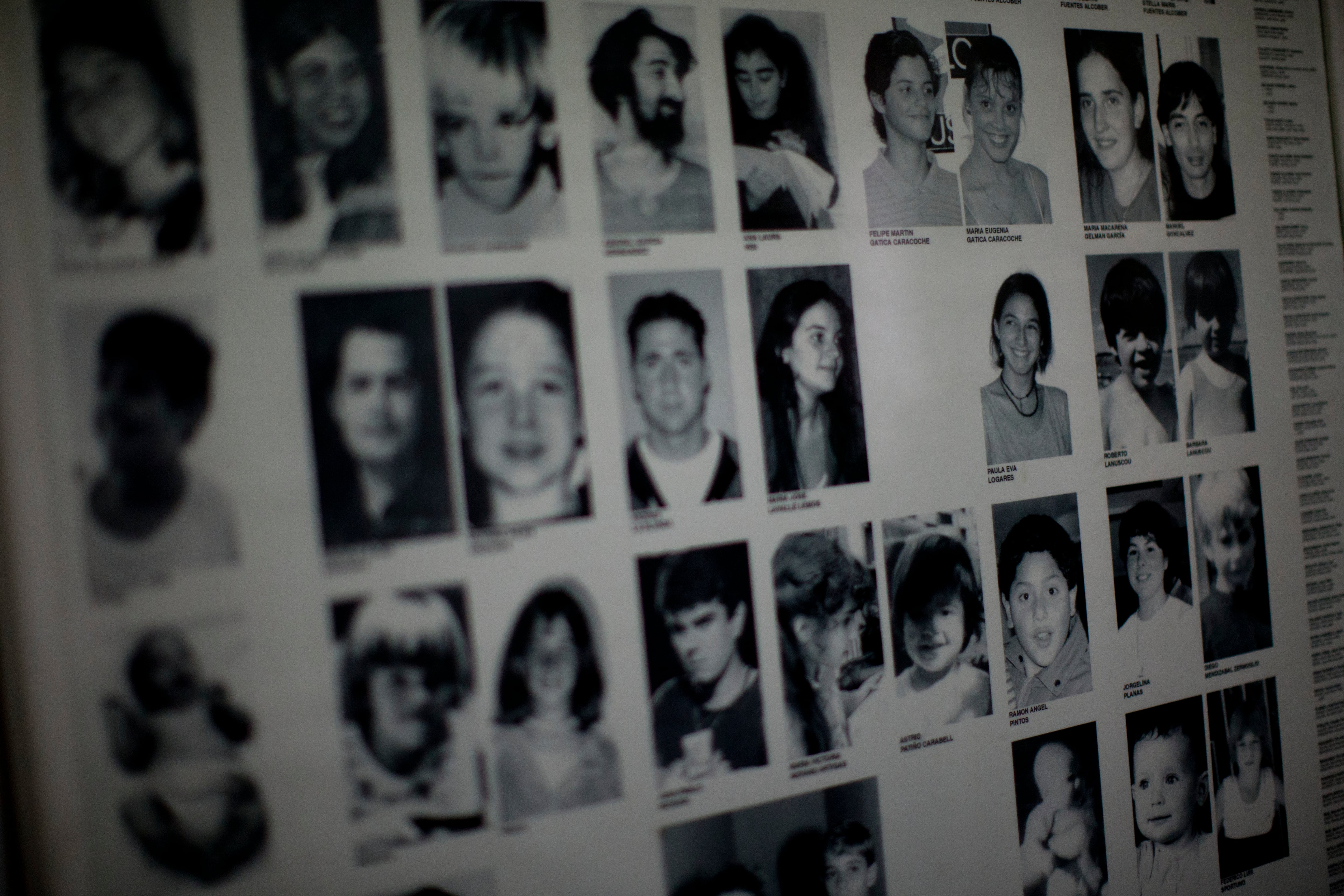
March 24, 2026, marks the 50th anniversary of the start of the military dictatorship in Argentina, a dark period that left a deep mark on society. During this regime, which lasted from 1976 to 1983, more than 600 clandestine detention centers were the scene of torture, rape, and murder of thousands of people. Among the victims were militants from armed organizations, but also innocent civilians. In addition, approximately 300 babies born in captivity were separated from their mothers and given to families who raised them as their own. To date, only 140 of those children have recovered their true identities.
It is essential to remember these events not only because of the pain they caused, but because they confront us with questions about justice and collective memory. Since the trial of the military juntas in 1985, efforts have been made to recognize these acts as state terrorism, an effort that has faced obstacles in laws such as the Full Stop and Due Obedience laws. Despite some convictions, the perpetrators have not cooperated by providing crucial information, such as the whereabouts of the disappeared or the identification of the appropriated children, which perpetuates the families’ suffering.
For women, especially, these decades have been a constant reminder of the human rights violations that were committed, not only in terms of physical violence, but also in the denial of their motherhood and rights as mothers. The Mothers and Grandmothers of Plaza de Mayo have been a symbol of resistance and persistence in the search for justice and truth, fighting tirelessly to restore the identity of their stolen grandchildren.
The silence maintained by the perpetrators of these crimes is a statement in itself: a lack of remorse that wounds and challenges society not to forget. As we commemorate this anniversary, it is crucial that we continue to press for truth and justice, not only to heal the wounds of the past, but to ensure a future where such atrocities are not repeated. Remembering is an act of resistance, a way to keep alive the memory of those who suffered and of those who still seek answers.
In a context where revisionism and denialism threaten the progress we have made, it is important that new generations understand the gravity of these events. History must not be forgotten, and the commitment to justice and truth must be a constant in our society. This anniversary must serve as a call to action and reflection on the kind of country we want to build—one where memory and human rights are fundamental pillars.
📰 This is a summary. Read the full article at the source:
Read full article →Read in another language
she.news may earn commission from links on this page.