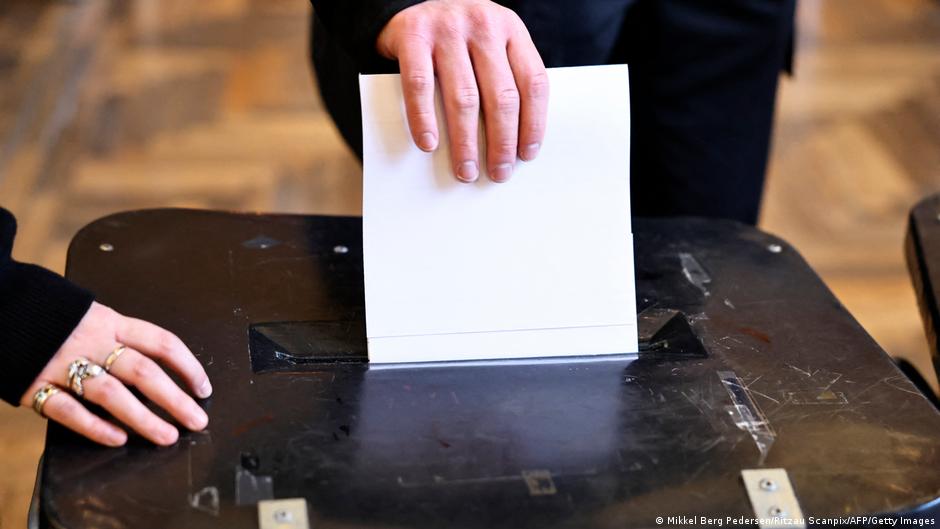
Early Elections in Denmark Amidst Trump's Shadow
The early general elections in Denmark, where 4.3 million voters are called to the polls, are being held under the shadow of an international controversy. Former U.S. President Donald Trump's attempts to buy Greenland had heightened sensitivity over Denmark's semi-autonomous territory and brought Prime Minister Mette Frederiksen to the forefront on the international stage. During this process, Frederiksen drew attention with her strong stance against Trump and succeeded in increasing her support domestically. Hoping to capitalize on this momentum, Frederiksen decided to call early elections to run for a third term.
In the elections, Frederiksen's main opponent emerges as the center-right candidate, Defense Minister Troels Lund Poulsen. Polls suggest that the Social Democrats will remain the largest party, but they are expected to lose strength due to rising living costs and cuts in social programs. No party is expected to reach the majority needed to form a government alone in the 179-seat parliament. This indicates that coalition governments will be inevitable.
In Greenland, the elections have garnered more attention than ever. Greenland is represented by two seats in the parliament, and this year, more than 20 candidates are competing for these positions. The majority of political parties in Greenland demand independence from Denmark, although they advocate for a gradual process. Moreover, they have clearly expressed their opposition to Trump's attempt to purchase Greenland.
On the Danish mainland, discussions about the Arctic island did not play a central role in the election campaign. Instead, the campaign period focused more on domestic issues such as inflation, the welfare state, and water pollution from agriculture. Immigration also emerged as an important topic, with the Social Democrats advocating for tighter regulations on immigration policies. Prime Minister Frederiksen supported a proposal that suggested foreign-born individuals should not have access to non-essential healthcare services if they threaten healthcare personnel.
These elections could reshape the balance of Denmark's domestic and foreign policies. In particular, Greenland's future and demands for independence could provide important clues about what roadmap will be drawn in the future. The election results will be determining in how Denmark's stance in international relations and its domestic priorities change. There is also keen interest in how female leaders can make a difference on the international stage.
📰 This is a summary. Read the full article at the source:
Read full article →Read in another language
she.news may earn commission from links on this page.


